Facing radiation therapy can feel overwhelming, especially if it’s your first time. But knowing what to expect and how to prepare can make a world of difference. Whether you’re gearing up physically, emotionally, or practically, How to Prepare for Radiation Therapy: A Guide for Mind, Body & Schedule is here to walk you through every step with compassion, clarity, and a few helpful tips along the way.
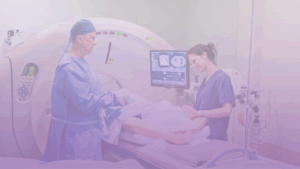
Step 1: Medical Preparation – Team Up with Your Healthcare Providers
The first and most important step is working closely with your care team. They’re here to help you navigate every part of the process.
-
Consult Your Care Team
Your oncologist and radiation therapist will walk you through your specific treatment plan, so don’t hesitate to ask questions. -
Pre-Treatment Scans
You may need imaging such as CT, MRI, or PET scans to pinpoint exactly where the radiation should be focused. -
Skin Care Instructions
Avoid using lotions, perfumes, or powders on the treatment area unless your doctor says it’s okay. -
Dental Checkup
If your treatment involves the head or neck, seeing a dentist beforehand helps prevent complications like infections. -
Review Medications
Make sure your doctor knows about all medications, vitamins, and supplements you’re taking. Some may need to be adjusted. - WATCH to UNDERSTAND MORE about Radiation
Step 2: Lifestyle Adjustments – Support Your Body Through Treatment
Making a few healthy lifestyle changes can help your body cope better with radiation and its side effects.
-
Eat a Healthy, Balanced Diet
Choose nutrient-rich foods to maintain strength and energy. A registered dietitian can help you create a personalized meal plan. -
Stay Hydrated
Drink plenty of fluids to help your body recover and stay energized. -
Get Plenty of Rest
Fatigue is common during radiation therapy, so give yourself permission to rest as needed. -
Avoid Smoking and Alcohol
These can increase the risk of side effects and reduce treatment effectiveness.
Step 3: Emotional & Mental Preparation – Calm Your Mind
Radiation therapy isn’t just a physical journey—it’s an emotional one too.
-
Ask Questions
The more you know about your treatment, the less intimidating it will feel. -
Build a Support System
Lean on family, friends, or a cancer support group to stay connected and encouraged. -
Consider Counseling
Professional mental health support can help you manage anxiety, fear, and other emotions that may arise. CLICK HERE to connect with Behavioral Health
Step 4: Logistical Planning – Make Daily Treatment Easier
Because radiation therapy often requires multiple sessions over several weeks, it’s important to set up routines that work for you.
-
Arrange Transportation
You may feel fatigued, especially after treatment. Have a friend or family member drive you when needed. -
Plan for Time Off
Depending on your side effects, you might need to reduce your work hours or take time off entirely. -
Wear Comfortable Clothing
Choose loose-fitting, soft fabrics and avoid metal zippers or buttons near the treatment area.
Understanding Radiation Side Effects
Radiation affects everyone differently. Side effects depend on the treatment area, dose, and your overall health. Get more Information HERE
Most Common General Side Effects
-
Fatigue
-
Skin changes (redness, peeling, or sensitivity)
-
Hair loss (only in the treated area)
-
Appetite loss
-
Weakened immune system
Area-Specific Side Effects
Head & Neck:
Mouth sores, dry mouth, difficulty swallowing, changes in taste or smell, increased tooth decay
Chest (Lung, Breast, Esophagus):
Cough, shortness of breath, swallowing pain (esophagitis), rare heart effects
Abdomen & Pelvis:
Nausea, vomiting, bowel changes, bladder irritation, changes in fertility or sexual health
Brain:
Cognitive changes, headaches, possible permanent hair loss in the treated area
Long-Term Effects (Can Occur Months or Years Later)
-
Fibrosis (tissue stiffening)
-
Lymphedema (fluid buildup and swelling)
-
Hormonal changes
-
Rare risk of secondary cancers
Managing Side Effects
Radiation side effects often build up over time. Here are some ways to stay comfortable and supported:
Fatigue
-
Rest when needed
-
Stay hydrated
-
Eat nutritious meals
-
Try light exercise like walking
Skin Irritation
-
Use mild soap and lukewarm water
-
Pat skin dry, no scrubbing
-
Avoid lotions unless approved by your doctor
-
Protect from sun and heat
-
Wear soft, loose-fitting clothes
Nausea & Appetite Loss
-
Eat small, frequent meals
-
Stick to bland, easy-to-digest foods
-
Use ginger or peppermint to calm your stomach
-
Ask about anti-nausea medications
Mouth & Throat Irritation
-
Rinse with saltwater or baking soda solution
-
Eat soft, moist foods
-
Stay hydrated
-
Avoid spicy, acidic, or rough foods
-
Do not use alcohol or tobacco
Bowel Changes
-
Drink plenty of fluids
-
High-fiber foods for constipation
-
Low-fiber foods (e.g., rice, bananas) for diarrhea
-
Consult your doctor about medications
Emotional Well-being
-
Acknowledge your feelings
-
Talk to someone you trust
-
Join a support group – Find a Support Group HERE
-
Use relaxation methods like journaling, meditation, or deep breathing
Preparing for Your First Radiation Treatment
Here’s what to do before, during, and after your first session:
Before the Session
-
Follow your team’s instructions (like avoiding certain foods or products)
-
Wear comfy, metal-free clothing
-
Stay hydrated and eat a light meal if permitted
-
Take any prescribed medications
During the Session
-
You’ll lie still while the machine does its job
-
The staff will leave the room but monitor you via intercom
-
Treatment usually takes just a few minutes and is painless
After the Session
-
Rest if you feel tired
-
Drink water and eat something nourishing
-
Note any side effects and report them to your care team
-
Stick to follow-up care and instructions
CLICK HERE for some other helpful videos on Cancer Treatments

When to Call Your Doctor
Reach out to your care team if you experience:
- Severe fatigue that disrupts daily life
- Skin burns or open sores
- Ongoing nausea or vomiting
- High fever or signs of infection
- Sudden dizziness or weakness
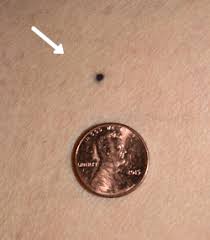
Radiation Tattoos: What You Should Know
What Are They?
Tiny, freckle-sized permanent marks placed on your skin to ensure accurate radiation targeting each session.
Why Are They Used?
- Help ensure you’re positioned exactly the same way each time
- Improve treatment accuracy
- Eliminate the need to redraw skin markings daily
The Process
- Quick and almost painless (just a pinprick)
- Usually 3–5 marks around the treatment area
Are They Permanent?
Yes, but they’re small and often fade over time. Laser removal is possible later if desired.
Alternatives
- Temporary markers
- Adhesive stickers
- 3D surface mapping (available in some clinics)
Helpful Videos – Overview of “What is Radiation?”
Final Thoughts
Radiation therapy can be a challenging part of cancer treatment, but with preparation and support, you can move through it with more comfort and confidence. Focus on taking care of your body, leaning on your support system, and staying in close communication with your care team.
Remember, you’re not alone—and every small step you take is a step toward healing.