By Paloma Soledad, Designer & 3x Cancer Survivor
When I was first diagnosed with Stage IV melanoma, I never imagined sun safety would become so deeply personal. Sun safety for cancer survivors isn’t just a seasonal reminder—it’s an essential part of healing and long-term health. Practical tips for protecting sensitive skin have become second nature to me after years of treatment. Radiation and immunotherapy can increase your skin’s sensitivity to sunlight. Some medications also make skin more photosensitive, increasing the risk of sunburn, long-term pigmentation, and even secondary cancers. According to the Skin Cancer Foundation, survivors of cancer are at a significantly higher risk of developing melanoma.
Quick Facts:
- Using tanning beds before age 35 increases your melanoma risk by 75%.
- UV rays can still cause DNA damage long after treatment has ended.
- Some immunosuppressants may reduce your body’s ability to repair sun damage.
2. Choose the Right Sunscreen
For sensitive or post-treatment skin, mineral sunscreens (with zinc oxide or titanium dioxide) are typically better tolerated than chemical options. My all-time favorite sunscreen is La Roche-Posay Anthelios SPF 40+ (with or without tint) it feels like regular lotion, not greasy, and now comes in multiple tint options. I personally use the lightweight tinted formula for my face and the SPF 100 for my body. Look for fragrance-free, non-comedogenic formulas that offer broad-spectrum protection (UVA and UVB).
Bonus Tool: For real-time feedback on sunscreen coverage and when to reapply, I recommend trying SPOTMYUV® a UV-detection sticker that changes color when your protection fades.
Pro Tips:
- Store sunscreen in a cool, shaded area. Heat degrades its effectiveness.
- Replace sunscreen every 2–3 years (check the expiration date).
- Apply generously to all exposed areas including often-missed spots like ears, back of the neck, and tops of feet.
3. Protect Healing Skin and Scars
Scar tissue is more vulnerable to UV rays and prone to hyperpigmentation. Keep scars covered with clothing or UPF-rated accessories when outdoors. For active scar healing, I recommend pairing ESTAS Beauty scar care with targeted UV protection like Sun Patch Targeted Squares.
4. Don’t Forget Your Scalp, Lips, and Eyes
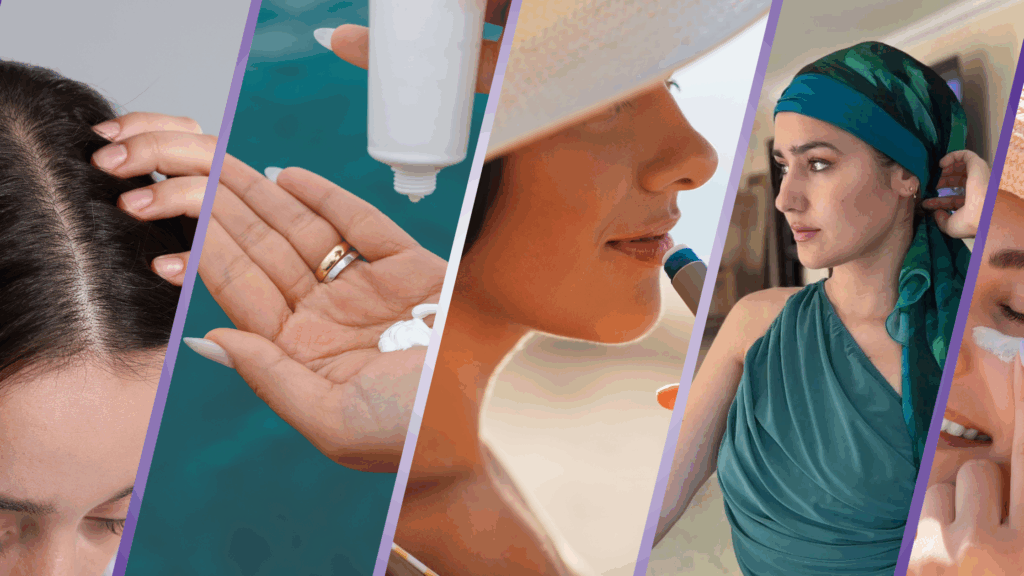
Hair thinning or hair loss leaves the scalp more exposed than most people realize. While hats help, you still need SPF at the part line.
- Try COOLA Scalp & Hair Mist SPF 30 — a lightweight, non-greasy option.
- Use a nourishing lip balm like MDSolarSciences Sheer Lip Balm SPF 30 to avoid dry, sunburned lips.
- Opt for sunglasses with UV protection to guard against eye-related sun damage.
5. Make UPF Clothing Your Everyday Shield
Unlike sunscreen, UPF (Ultraviolet Protection Factor) clothing doesn’t need to be reapplied, won’t sweat off, and offers consistent, body-wide protection. A fabric with UPF 50 blocks 98% of UV radiation.
Why it matters for cancer patients:
- Skin is more prone to damage after radiation or chemo.
- Your immune system may not repair UV damage efficiently.
- Coverage from UPF clothing reduces risk of developing secondary cancers.
What to Look For:
- Fabric: Tightly woven synthetics (like polyester) generally protect better than cotton. But some natural fabrics like Tencel also offer excellent sun safety without relying on synthetics.
- Color: Darker or brighter colors absorb more UV.
- Fit: Loose-fitting styles allow better airflow while shielding the skin.
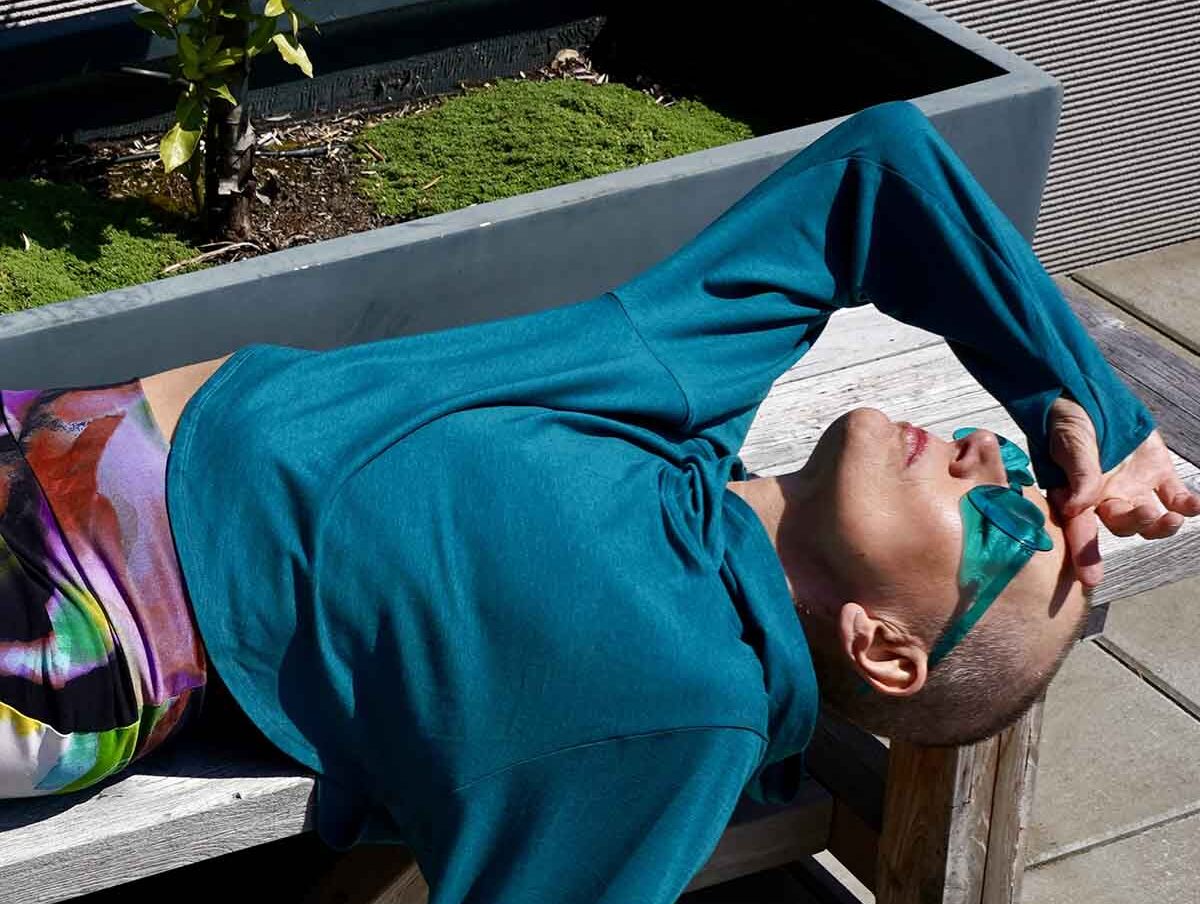
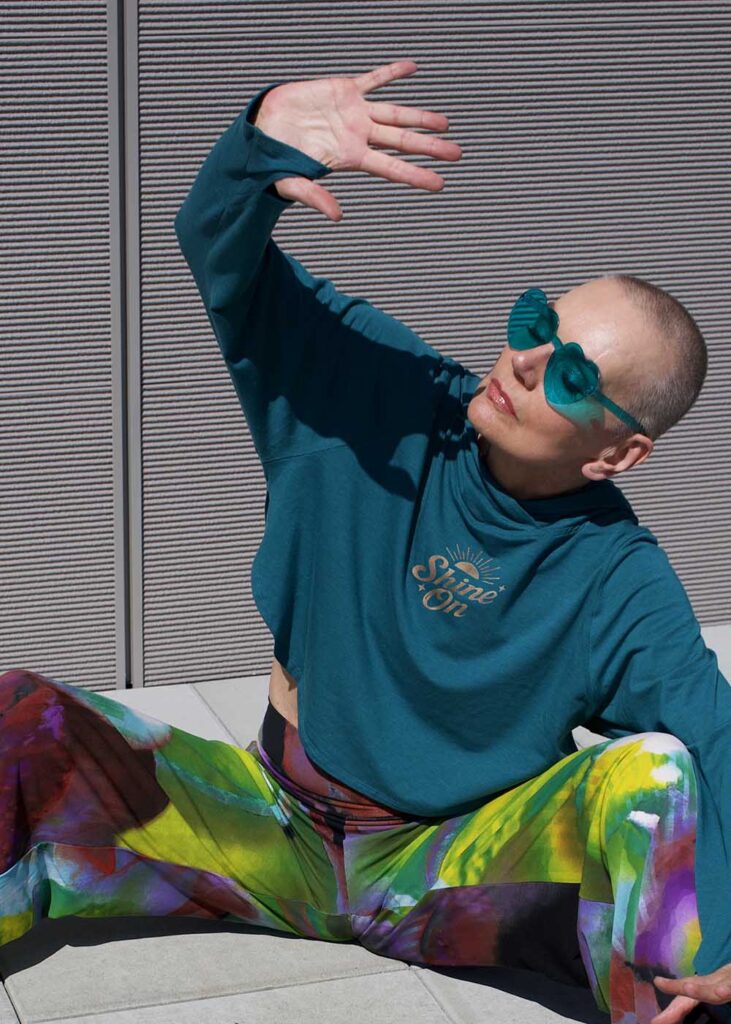
At LuxCare, we designed our UPF 50+ Sun Hoodie to be breathable and lightweight enough for year-round use. They are made out of Tencel, a natural fiber made from cedar tree bark, rather than being synthetic or chemical-dipped. It’s perfect for everyday wear, including in cars and on flights, where UV rays can still reach you. And our UPF 50+ Headscarves were recently independently lab tested, providing certified sun protection in a soft, sustainable, lightweight, all-in-one design for people experiencing hair loss.
6. Watch Out for Unexpected UV Exposure
- Driving Dangers: UVA rays pass through car windows. Protect your hands and arms with UPF sleeves or clothing.
- Air Travel Alert: UV exposure increases at altitude. Pilots and frequent flyers have double the melanoma risk. Always wear SPF when flying.
- Winter Warning: Snow reflects up to 80% of UV rays. Just because it’s cold doesn’t mean you’re safe from sunburn.
- Indoor Exposure: UVA rays can penetrate window glass. If you spend time near windows at home or in the office, apply SPF daily.
Don’t overlook the power of a parasol! A well-made sun umbrella is fun, fashionable, and offers ultimate protection, all while keeping you noticeably cooler on hot days.
7. Enhance Protection with Vitamin C
Using a vitamin C serum underneath your SPF can neutralize free radicals and reduce UV-induced skin damage. It also helps fade pigmentation, which is especially useful for skin recovering from sun exposure or treatment.
8. Stay Consistent & Do Skin Checks Regularly
The best sun safety plan is the one you actually follow. Create habits you can stick to:
- Keep sunscreen and UPF accessories in your car (but don’t let it get too hot!), bag, and by the door.
- Set a daily SPF reminder on your phone.
- Schedule annual skin checks with a dermatologist.
- Do monthly self-checks for new or changing spots.
Final Thought
Sun safety isn’t about living in fear. It’s about protecting the skin that’s carried you through so much already.
Whether you’re undergoing treatment or navigating life post-cancer, you deserve to feel safe, stylish, and supported. A well-made headscarf, a breathable hoodie, or a good mineral SPF isn’t just about vanity it’s about power, protection, and peace of mind.
If you have questions or want to share your own sun-safe routine, I’d love to hear from you. Let’s keep each other covered in more ways than one.
— Paloma Soledad, Survivor / Founder LuxCare Clothing